
The Allure of Casino Games
The psychological appeal of casino games is deeply rooted in human nature. From the glimmering lights to the enchanting sounds, casinos are engineered to create an immersive atmosphere that captivates players. These environments stimulate the senses, making it easy for players to lose track of time and reality. In this context, many individuals are drawn to the excitement of a florida online casino, which promises thrilling experiences and potential rewards.
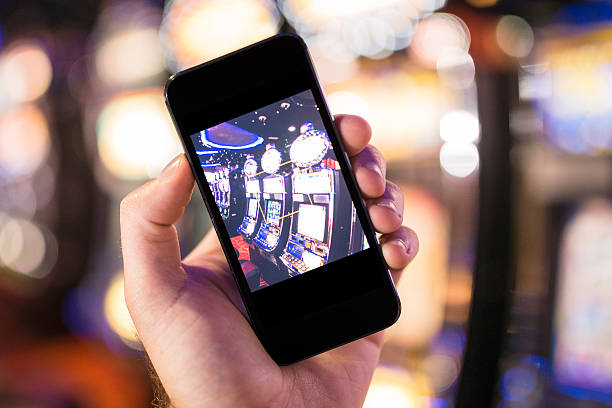
Moreover, the thrill of uncertainty plays a crucial role in attracting players. Games like slots, poker, and roulette create a unique blend of risk and reward that taps into our innate desire for adventure. This uncertainty, often referred to as ‘risk-taking behavior,’ can elevate adrenaline levels, contributing to a euphoric experience that many players seek repeatedly.
The Role of Reinforcement in Player Behavior
Reinforcement theory is a significant aspect of how casinos influence player behavior. Positive reinforcement, such as winning a jackpot or receiving complimentary services, encourages continued play. The randomness of these rewards makes them more enticing, as players are often motivated by the possibility of winning big. This creates a cycle where players keep returning to the games in hopes of replicating their previous success. Understanding effective strategies is crucial for navigating the casino landscape.
Conversely, the phenomenon known as “losses disguised as wins” can also manipulate player psychology. When players experience a small win following a series of losses, it creates a false sense of achievement. This can lead to increased playtime, as players perceive themselves as being on an upward trend, despite potentially losing more money overall.
Understanding Cognitive Biases in Gambling
Cognitive biases significantly influence gambling behavior. One prevalent bias is the ‘gambler’s fallacy,’ where players believe that past outcomes affect future results. For instance, if a roulette wheel has landed on red several times, players might feel that black is ‘due’ to hit next. Such misconceptions can lead to poor decision-making and can ultimately affect a player’s gambling strategy.
Another common bias is the ‘availability heuristic,’ where individuals judge the likelihood of events based on immediate examples in their memory. When players recall stories of significant wins, they may overestimate their own chances of winning, leading to a higher propensity for risk. Understanding these biases helps clarify the irrational habits that some players exhibit while gambling.
Emotional Factors Influencing Gambling Decisions
Emotions play a pivotal role in gambling environments. Players often experience a rollercoaster of feelings, from excitement during wins to frustration during losses. These emotional highs and lows can cloud judgment, leading players to make impulsive decisions. For some, these emotional surges can create a compelling drive to continue playing, despite adverse outcomes.
Furthermore, the social aspect of gambling cannot be overlooked. Many players enjoy the camaraderie found in casino settings, which can amplify both joy and disappointment. Social interactions, whether at a poker table or a slot machine, can enhance the gambling experience, drawing players back for more. This emotional connection is an essential element of player behavior in casinos.
:max_bytes(150000):strip_icc()/GettyImages-560231979-d28ad2e66dcf4cae9fc319f46e606c21.jpg)
Exploring Resources for Responsible Gambling
As the psychology behind casino games and player behavior becomes clearer, awareness of responsible gambling practices is essential. Players must educate themselves about the risks associated with gambling and recognize when to seek help. Many casinos and online platforms provide resources and support services dedicated to promoting healthy gaming habits.
For individuals grappling with gambling-related issues, seeking guidance can provide the necessary tools to regain control over their behavior. Online platforms, educational resources, and support groups play a vital role in creating a safe environment for all players. By understanding their behavioral patterns and seeking help when needed, players can enjoy the thrill of gambling responsibly.